An intimate look at the metals we shape and the stones we set, designed to guide your choices with clarity and grace.
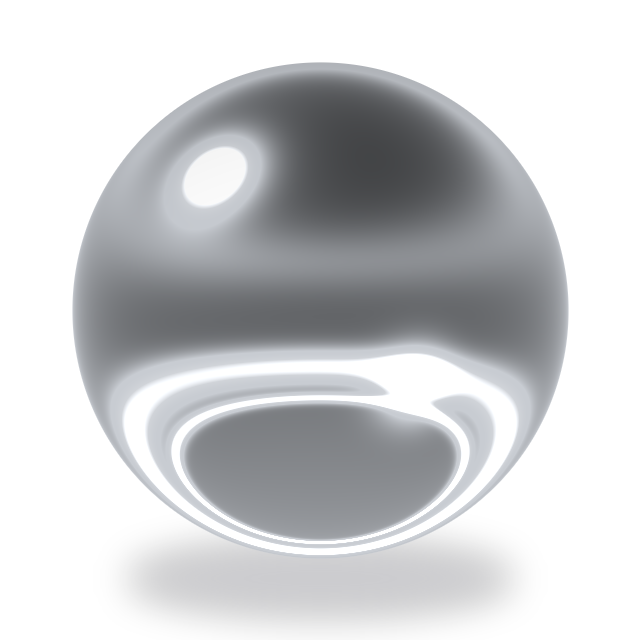
99.5% pure silver (995)
It's 995 silver, 99.5% pure, a step above the more common 92.5% sterling standard, and it's how we cast every silver piece we make. That extra purity is what gives it a brighter, whiter shine and a little more resistance to tarnish, with just enough alloy to hold its shape. We love it as the most accessible way into a JiJi design, without it ever feeling any less considered.
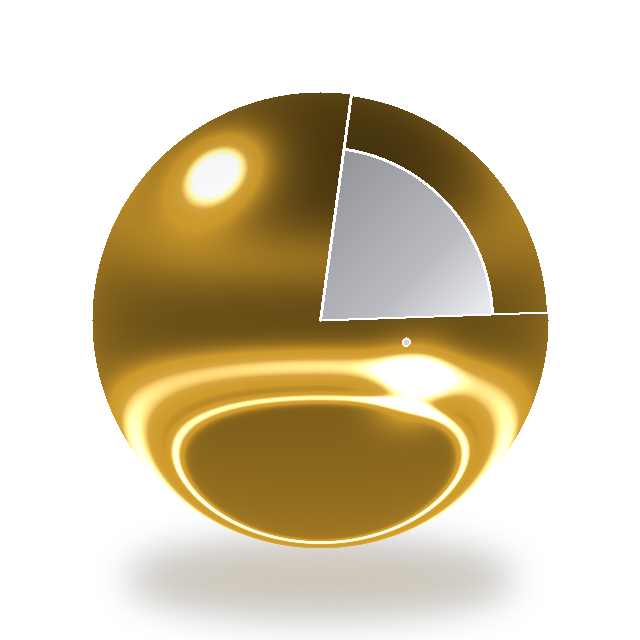
995 silver core · thick gold coat
It's a solid 995 silver base carrying a generous, thick coat of real gold, shown in cross section on the left so you can see exactly what we build underneath. We only ever call it vermeil, not just "gold plated", because that coating is at least 2.5 microns thick, far more than the thin flash used on cheap plated pieces elsewhere. This is how we give you the look and warmth of solid gold, with a precious metal core, at a gentler price.
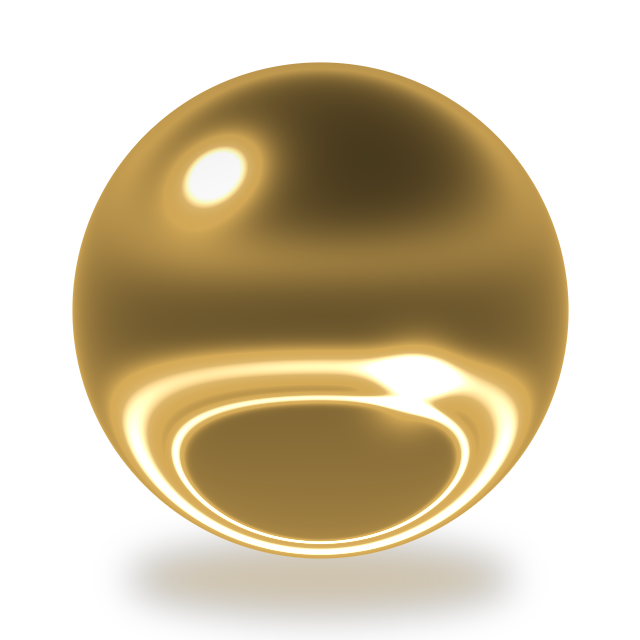
58.3% pure gold, 41.7% alloy
It's just over half pure gold, the rest made up of stronger metals like copper and silver. That extra alloy is what makes it noticeably more hard wearing and scratch resistant, which is why we reach for it on pieces that earn their keep every day, like engagement rings and stacking bands. It's also the more budget friendly of the two solid golds we work in.
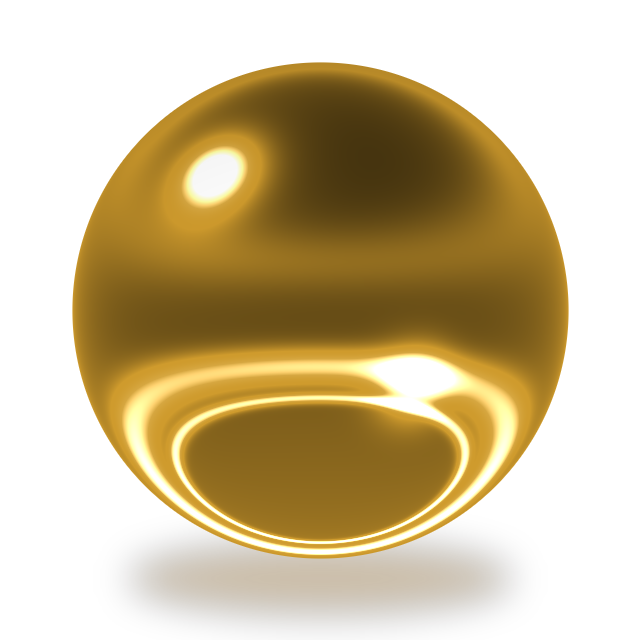
75% pure gold, 25% alloy
It's three quarters pure gold, our benchmark for every fine, solid gold commission we take on. With less alloy standing in the way, we get a colour that reads deeper and richer than 14kt, and the higher gold content makes it naturally more hypoallergenic. Gold itself is a soft metal though, so we always ask that you treat an 18kt piece kindly, it's one to love gently, not one for the gym.
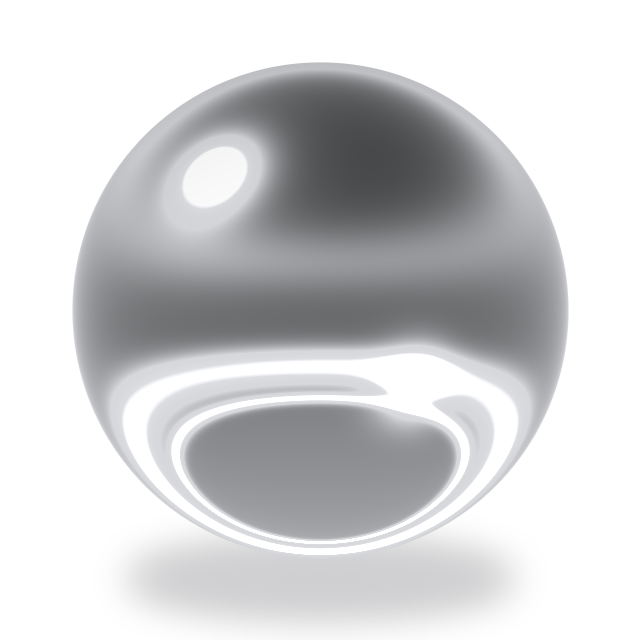
75% pure gold, rhodium finished
It starts as our same 18kt gold, alloyed with white metals like palladium, then finished with a microscopic layer of rhodium for that bright platinum shine. Gold is naturally yellow, so that brilliant white comes entirely from the rhodium we add on top, which means over a few years it can wear thin and reveal a soft warm tint underneath. When that happens, just bring it back to us, we're always happy to replate it for you.
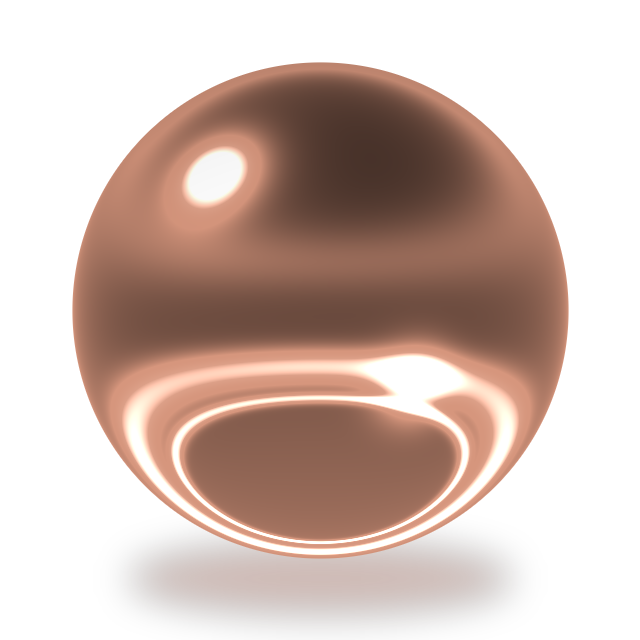
18kt gold, rose copper alloy
It takes our 18kt gold formula and simply changes the alloy: a higher proportion of copper in place of other metals, which is what gives it that warm, blush pink hue we love rather than yellow. That same copper content also makes it one of the more durable gold tones day to day, and we think it sits especially beautifully against pink, champagne and other warm toned stones.
As a rule of thumb: more pure gold means a richer colour and better hypoallergenic properties, but a softer metal; more alloy means a harder wearing piece at a gentler price.
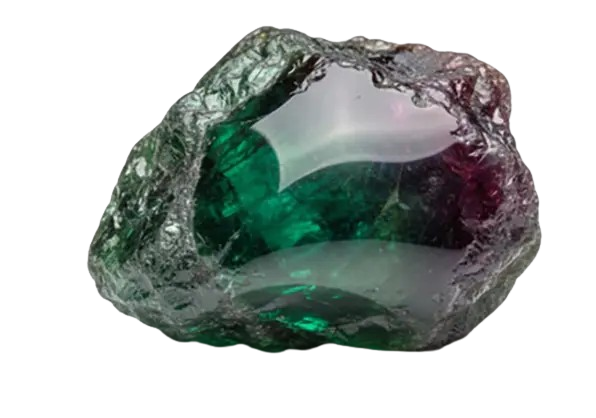
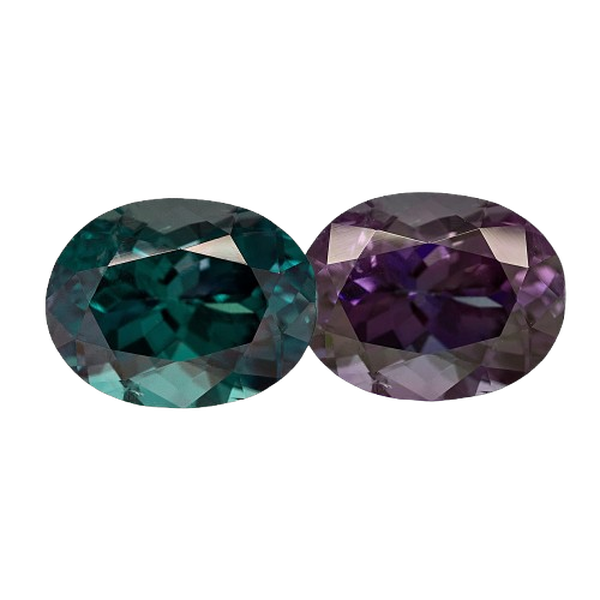
A rare colour change stone, teal green in daylight and shifting to a warm purple red under incandescent light. It's one of the more unusual gems we work with, so we tend to save it for pieces meant to be truly one of a kind.
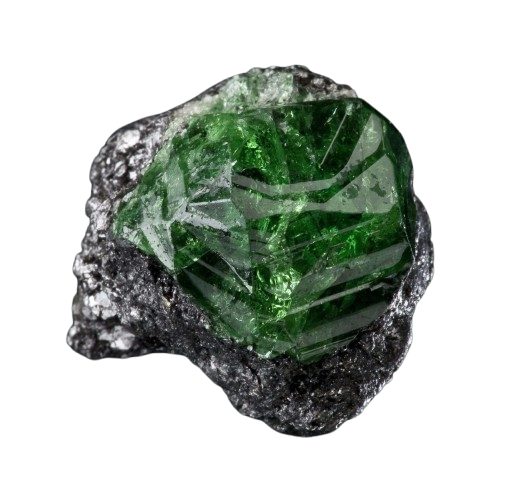
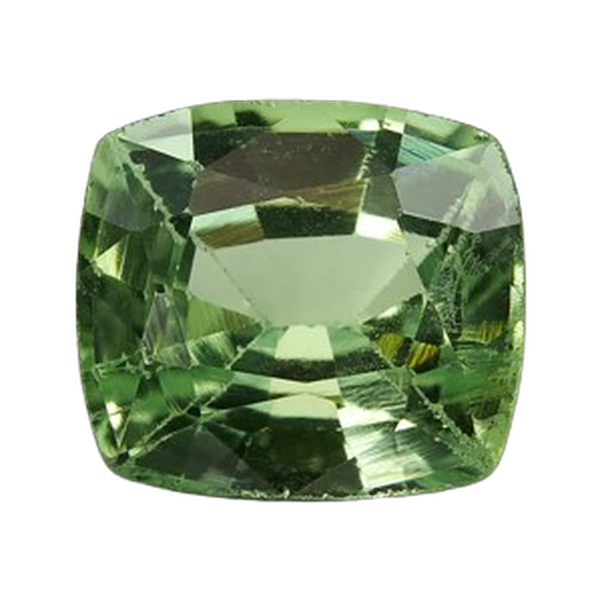
A vivid green garnet, prized for a clarity and brightness that rivals emerald, without emerald's characteristic inclusions. We reach for it whenever a design calls for a jewel toned green with real sparkle.
Used in: the Negroni Ring, pavé-set alongside champagne and pink stones.
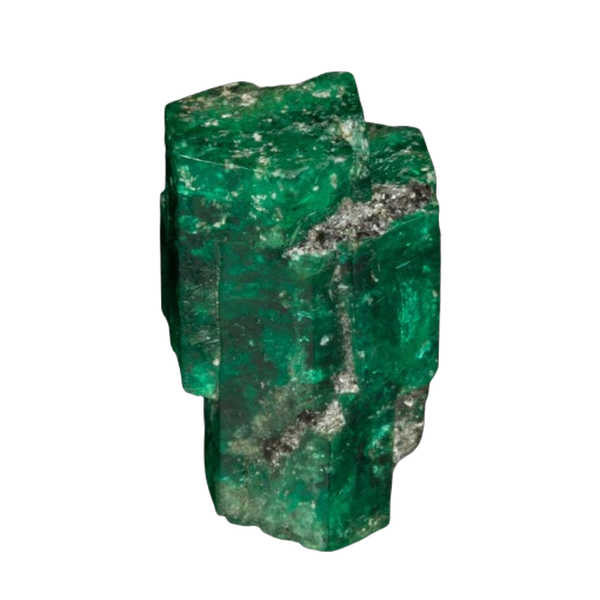
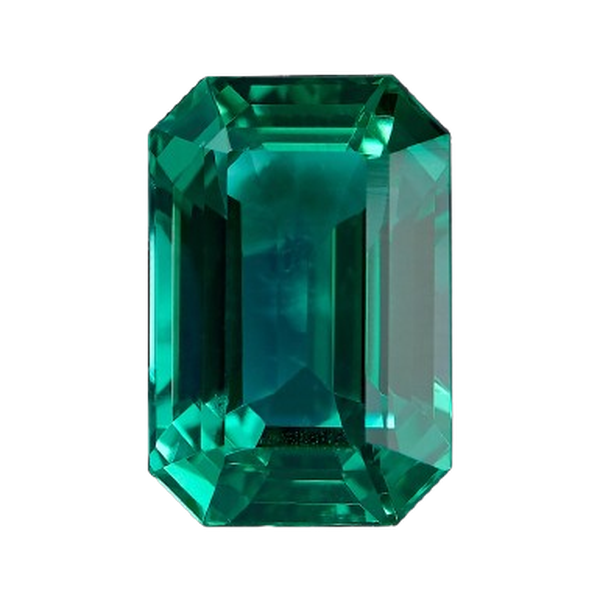
A lush, blue green stone with a soft, deep colour that's unmistakably its own. Emeralds naturally carry more visible inclusions than most gems, we think that's part of their character, not a flaw to hide.
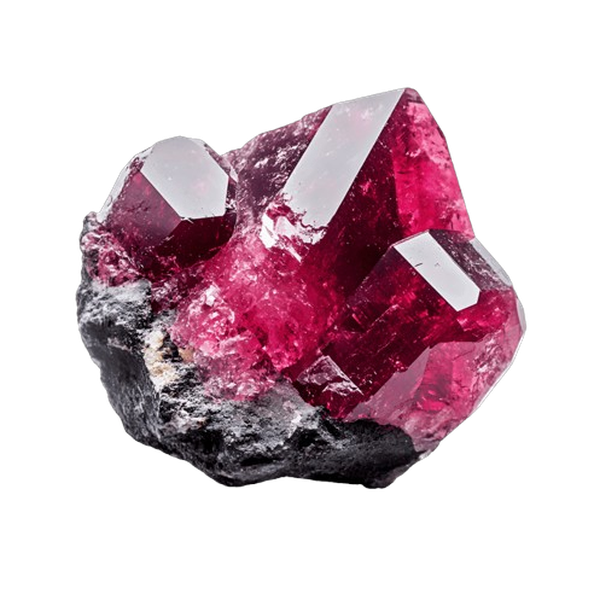
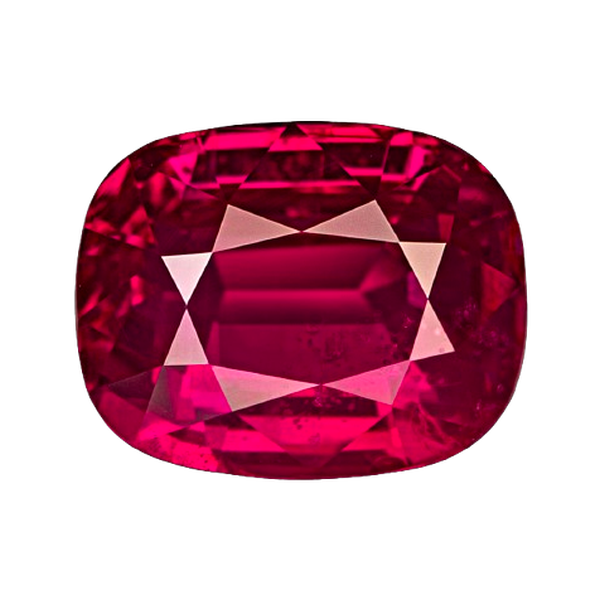
A rich, saturated red that carries a warmth and presence few other stones can match. It's durable enough for daily wear and gives a piece an instant sense of occasion.
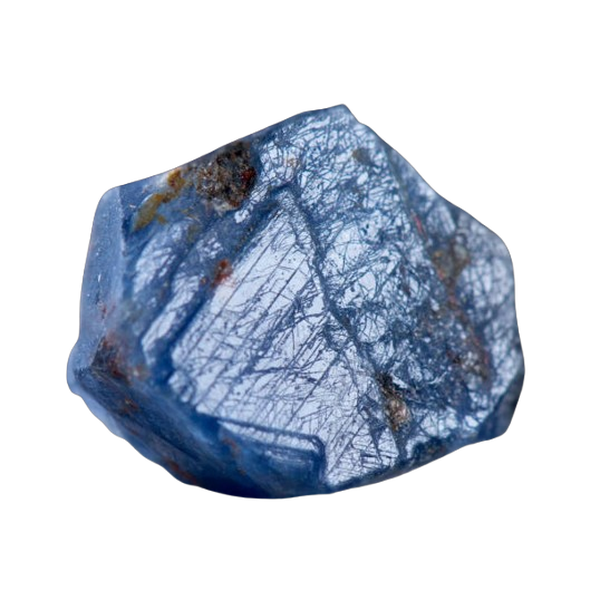
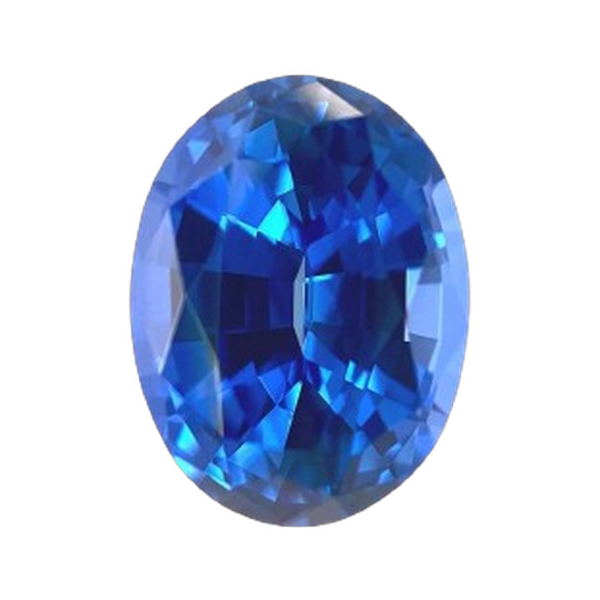
A deep, velvety blue with excellent hardness, making it one of the most practical coloured stones for a ring worn every day. We reach for it whenever a piece calls for that classic, regal depth of colour.
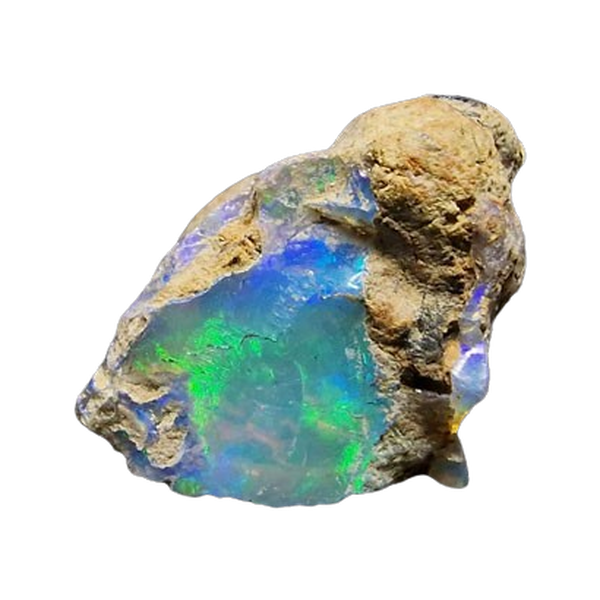
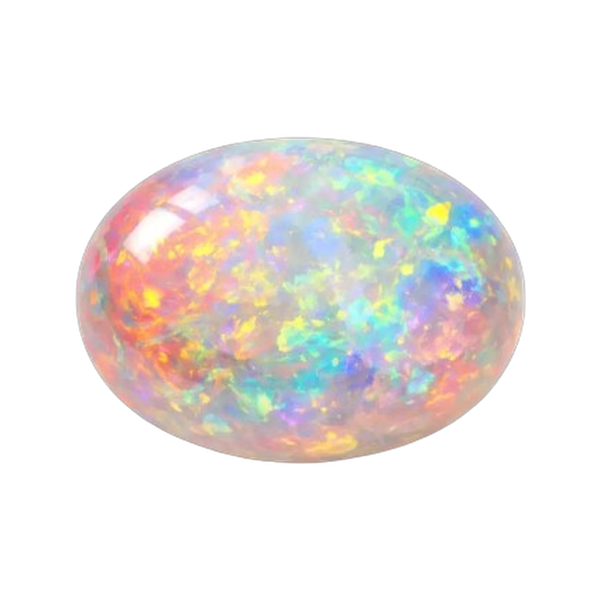
A milky stone that shifts colour as it catches the light, throwing flashes of blue, green and pink across its surface. No two opals play with light in quite the same way, which is exactly why we love them.
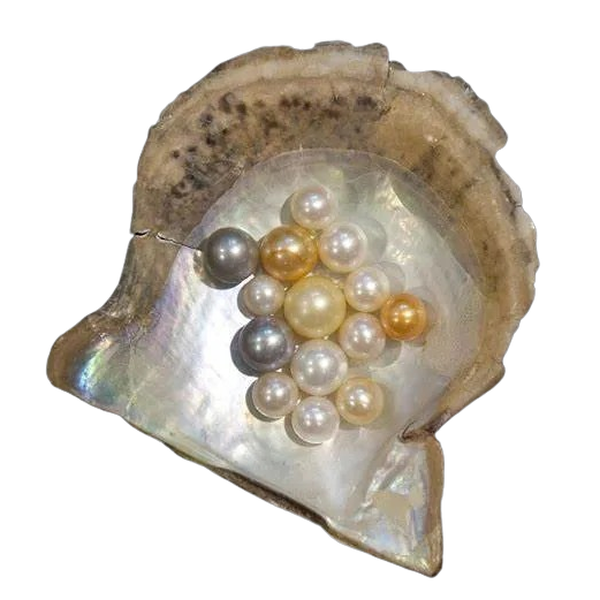
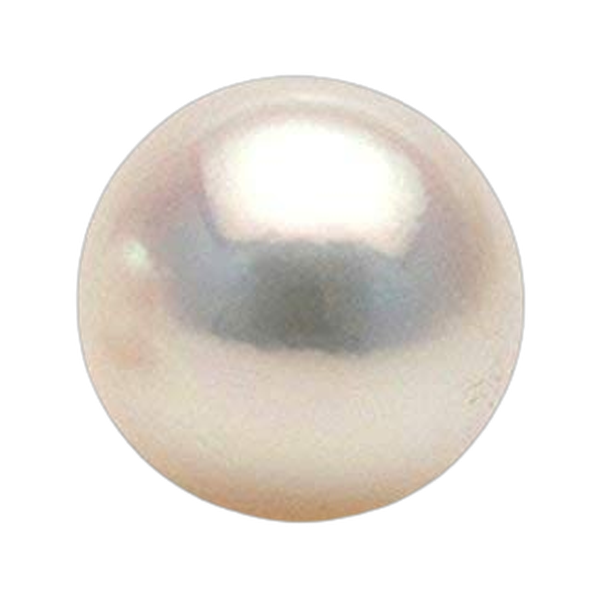
The only gem grown by a living creature rather than formed in the earth, prized for its soft lustre rather than any sparkle. We look for a clean, even glow and a smooth, blemish free surface.
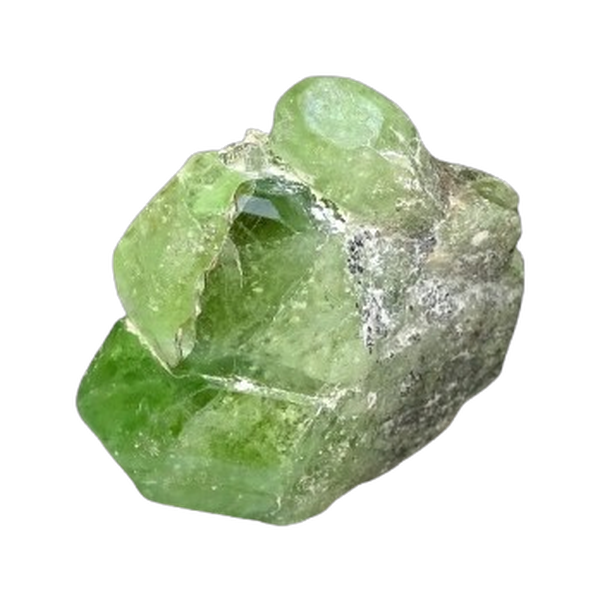
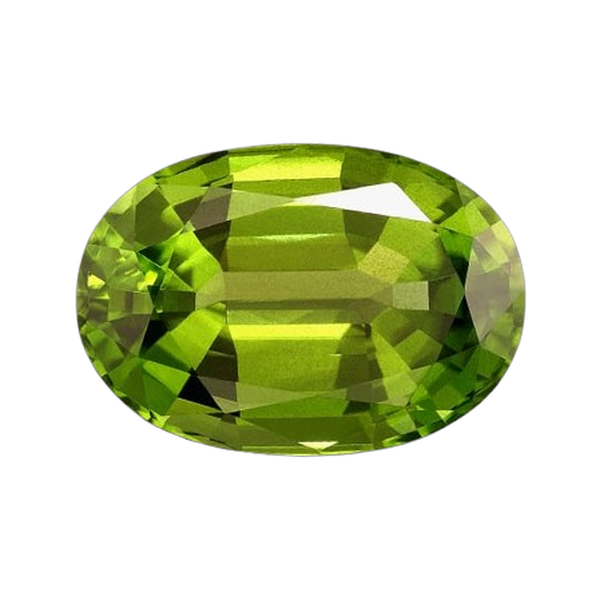
A bright, lively lime green that reads fresh and modern rather than traditional. It's a lovely, lighthearted alternative when a design calls for green but not the weight of an emerald.
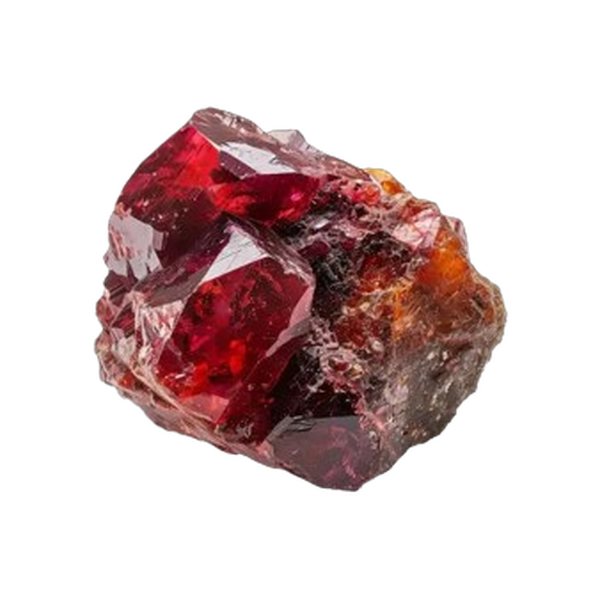
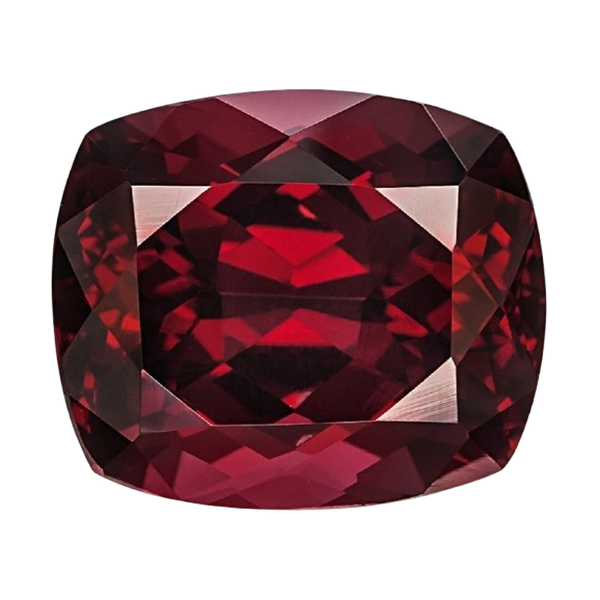
A deep, wine red stone with a warmth that reads as both classic and a little bit after dark. It's durable enough for everyday pieces and holds its colour beautifully under both daylight and evening light.
Used in: the Negroni Earrings, anchoring the composition alongside a pear cut diamond.
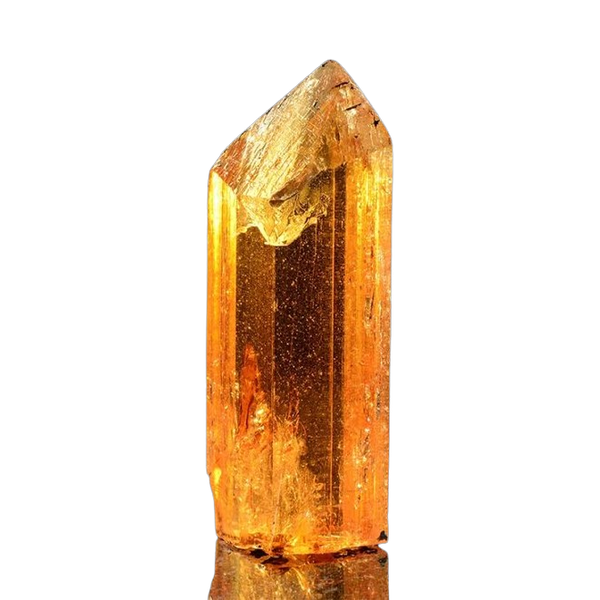
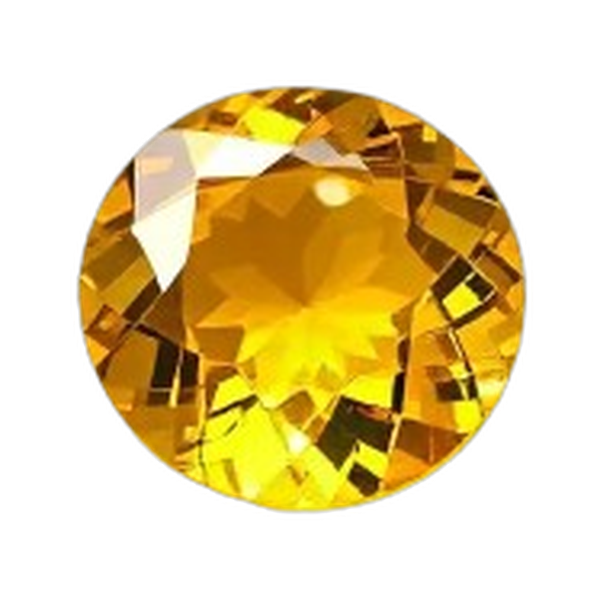
We set ours in a warm, golden hue that feels like sunlight caught in a stone. It's a softer gem than sapphire or ruby, so we love it best in pieces like earrings and pendants that see gentler wear.
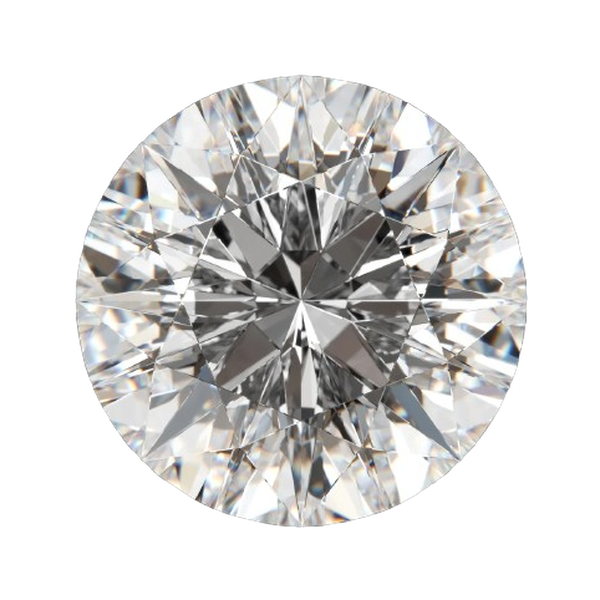
A near colourless stone that throws even more fire and sparkle than a diamond, at a fraction of the price. Today it's lab-grown rather than mined, so we show it simply as the finished, cut stone.
Diamonds are graded on four measures, known worldwide as the 4Cs. Together they explain almost everything about how a diamond looks and what it costs, so here's what each one actually means.
How well the diamond's facets are proportioned and angled to catch light. A well cut stone returns more brilliance and sparkle, regardless of size, it's the single biggest factor in how alive a diamond looks.
Graded on how close to completely colourless a diamond is. Less colour generally means a rarer, more valuable stone, though a faint warmth can be lovely set in yellow or rose gold.
A measure of natural inclusions and blemishes formed as the stone grew. Most are invisible to the naked eye, clarity mainly affects how a diamond looks under magnification, not across the table.
Simply the diamond's weight, 0.2 grams per carat, not its size on your finger. Two diamonds of the same carat can look quite different depending on their cut, so we always weigh all four Cs together.